Configure Your Strap & Get a Quote
Tell us the strap you want. We reply on WhatsApp with options and a quote, and connect you to a vetted CITES-compliant maker. Custom (one piece) or wholesale. Species labelled honestly.
Pricing by quote, no obligation. CITES docs on international orders. We coordinate vetted makers.
Start With the Leather
We label species honestly — true American alligator vs the saltwater crocodile (Crocodylus porosus) most “alligator” straps are actually made from — and never pass embossed calf off as exotic.
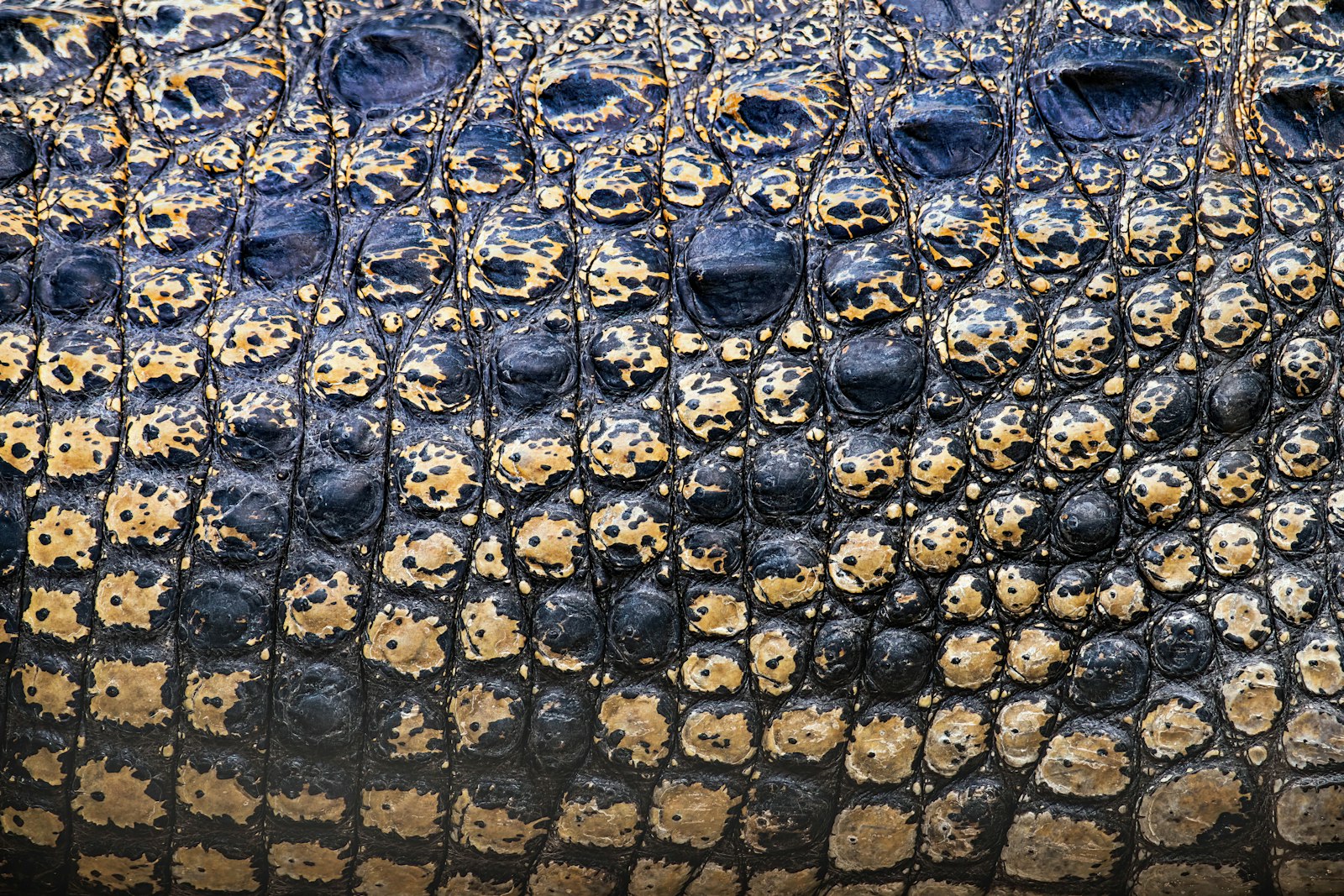
Crocodile (Porosus)
Explore crocodile →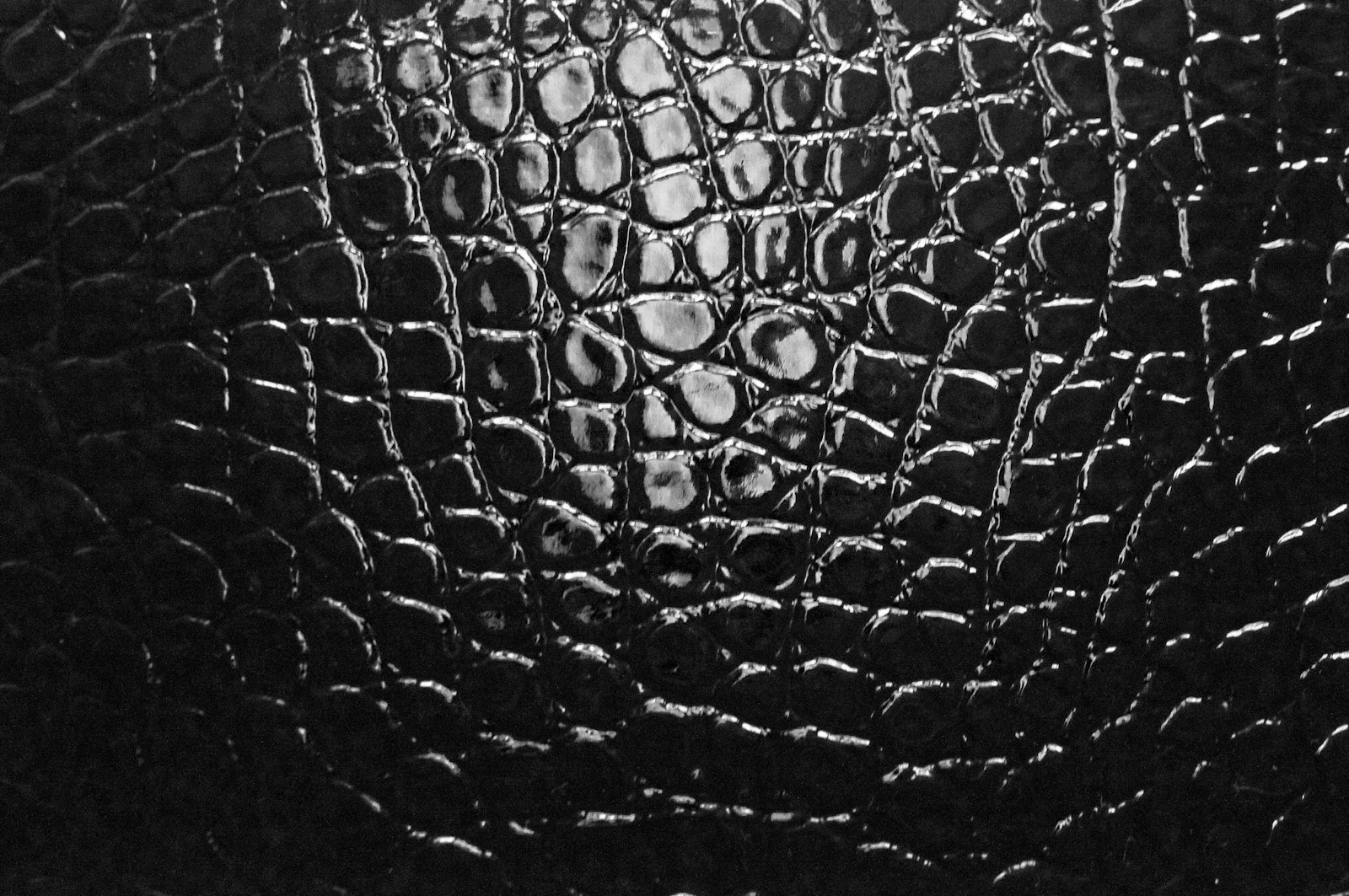
American Alligator
Explore alligator →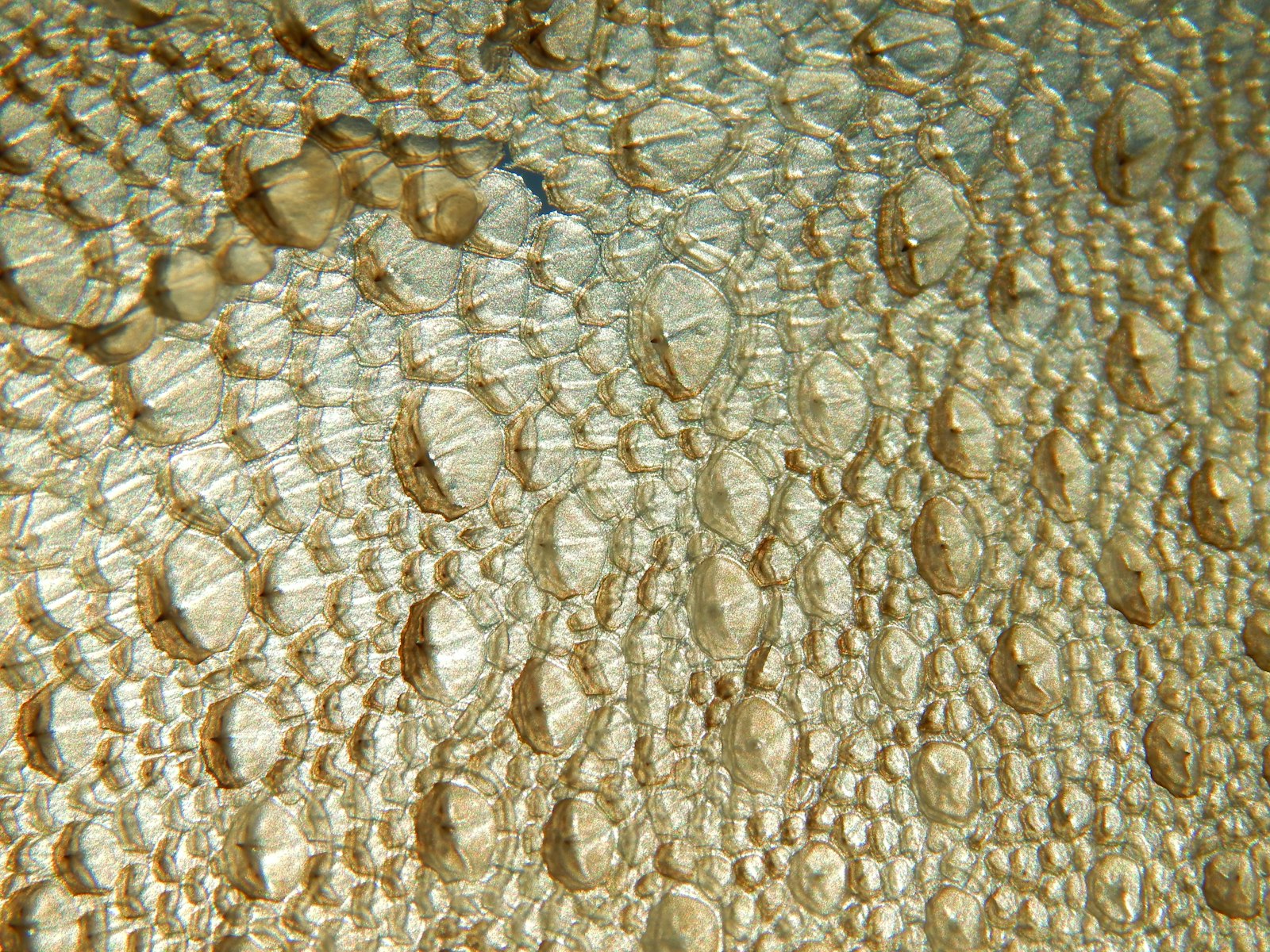
Genuine vs Fake
How to tell →Build & Buy
Custom for one watch, or wholesale for your brand — specs, price ranges, and the legal facts, decoded. Indicative ranges: bespoke single straps about $180–$650 depending on species, cut and finish; wholesale and private-label from a typical MOQ of 25–50 pieces, priced by quote.
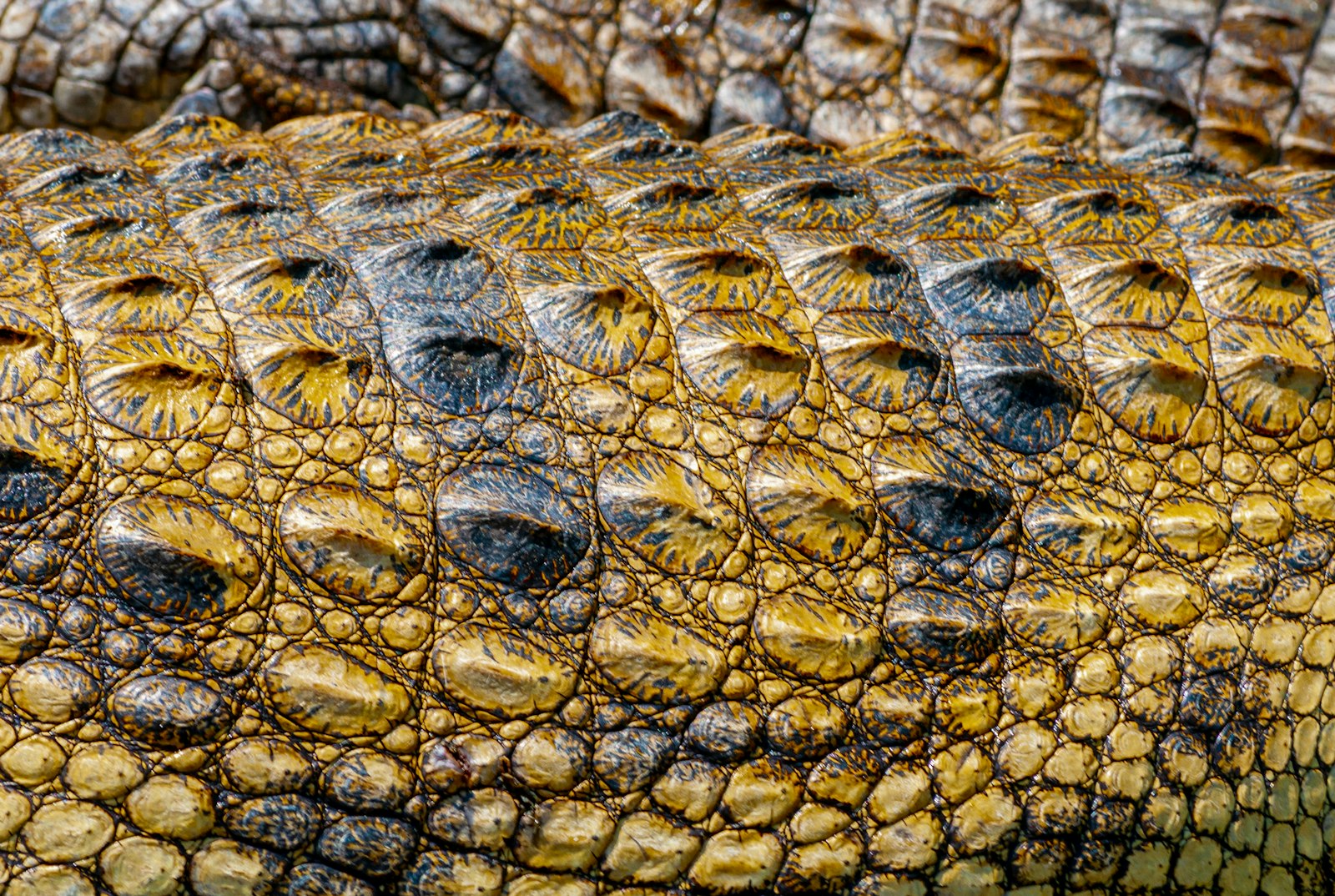
Custom Straps
Configure yours →
Price Guide
See prices →
Wholesale / B2B
For brands →
Are They Legal?
Read first →Why Alligator Watch Straps
Honest Species
We say exactly which species a strap is — American alligator or Crocodylus porosus — and never call embossed calfskin “exotic”.
CITES-Compliant
Genuine crocodilian is CITES-regulated. We source from farmed, App-II stock and ship international orders with documentation.
Real Specs & Grading
Widths, tapers, cuts, linings, hand saddle-stitch, edge finish, transparent grading — not marketing.
Vetted Makers
We are an authority and sourcing desk, not a tannery. We connect you to vetted makers; pricing is by quote.
From Spec to Strap
How a quote works.
Tell us the strap
Species, watch/lug width, length, colour, stitch and finish — custom single or wholesale.
Get options & a quote
We come back with the right species, honest grade, lead time, and price — plus CITES guidance for your country.
We coordinate the maker
A vetted CITES-compliant maker produces it; you receive the strap with documentation. We coordinate; they craft.
An alligator watch strap is a watch band cut from genuine crocodilian belly leather, either true American alligator (Alligator mississippiensis) or, for most Asian-made straps, saltwater crocodile (Crocodylus porosus) in the same luxury tier. On this page I’ll show you how to tell them apart, what “genuine” really means, and how to spec a strap that fits your watch and your wrist.
As Alligator Watch Straps (alligatorwatchstrap.com), we are an independent, detail-obsessed authority on alligator and crocodile watch straps. We don’t run a tannery. We curate, assess and connect you with vetted exotic-leather makers and wholesalers worldwide, and we insist on accurate species labelling, honest grading and CITES-compliant sourcing.
—
Above the Fold: What We Actually Do
1. Our honesty policy: species, legality, no hype
Most “alligator” straps on the market fall into three very different buckets:
– True alligator: American alligator (Alligator mississippiensis), almost always farmed, CITES Appendix II.
– High-grade crocodile: especially saltwater crocodile (Crocodylus porosus), often tanned and cut in Asia, also CITES Appendix II.
– Embossed calf: cow leather pressed with a crocodile-style pattern. Not exotic at all.
We treat those as three separate products. We will never:
– Call porosus “alligator” to ride on the name.
– Call embossed calf “exotic leather”.
– Hide species in tiny text or leave it “unspecified”.
Every strap or sourcing option you discuss with us is labelled clearly, at minimum:
– Species (e.g., A. mississippiensis / C. porosus / C. niloticus / calf embossed, etc.)
– Cut (large square part, flank/small scale, tail, hornback where applicable)
– Tanning origin when known (e.g., European chrome-tan, Japanese veg-tan) — without trading on luxury-brand tannery names.
CITES and legality: alligator and porosus straps in global trade are typically from CITES Appendix II, farmed skins. Export/import of skins and finished straps is regulated. We are not your legal counsel; you must confirm your own country’s import rules. What we do is refuse untraceable raw material and work only with sources that can provide the relevant CITES references for international shipments where required.
2. What we offer (cards overview)
- Alligator & crocodile watch straps
Genuine American alligator and saltwater crocodile straps, species-labelled, in standard sizes and custom builds. - Other exotic leather watch straps
Lizard, ostrich, shark, stingray and more, always labelled by species and finish; no faux-exotic marketing. - Custom alligator watch strap builds
One-off or small-run custom straps to your specs: widths, tapers, padding, lining, stitch, buckle, quick-release and brand-fitment. - Wholesale & OEM sourcing desk
Curated maker network for brands, microbrands and retailers seeking reliable exotic-leather strap production.
We are a sourcing and specification desk. We help you define exactly what you need and match you with the right maker or supplier. We stay independent: no one can pay to change what we publish; if you proceed with our partner they may pay us a referral fee at no extra cost to you.
3. Spec snapshot: how our straps are built
For both retail-focused and wholesale clients, our baseline specifications for genuine alligator and crocodile watch straps typically include:
– Widths: 18, 19, 20, 21, 22 and 24 mm at the lugs (others by request)
– Standard tapers:
– 18→16 mm
– 19→16 or 18 mm
– 20→16 or 18 mm
– 21→18 mm
– 22→18 or 20 mm
– 24→22 or 20 mm (sport/tool style)
– Length options: common sets like 110/70 mm, 115/75 mm, 120/80 mm; short/long available
– Construction: fully stitched, turned-edge (wrapped) or cut-edge; hand saddle-stitching at the higher end
– Padding: from flat (0–2 mm) to classic 3.5–5 mm at the lug, with a taper to the tip
– Grades:
– Top / premium: cleaner belly, even scales, minimal scars
– Standard: visible but acceptable scars and variation
– Utility / OEM: more visible imperfections, good for tool watches or under deployant clasps
– Lining: hypoallergenic calf (Zermatt-style), natural veg-tan, or rubber for sweat-prone use
– Hardware: stainless pin buckle or deployant-compatible, spring bars or quick-release by request
Indicative pricing ranges (last verified June 2026, strap only, excluding duties/shipping):
– Single custom genuine alligator or porosus strap: roughly USD 120–350 depending on grade, handwork and hardware.
– Wholesale / OEM exotic-leather straps: roughly USD 40–140 per strap at typical MOQs (50–300 units per spec), depending on species, grade, construction and finishing.
For a firm quote, lead-time and MOQ details, plan your trip with us via email or WhatsApp and we’ll specify it against your exact brief.
—
What Is a Genuine Alligator Watch Strap?
Alligator vs crocodile: the two “top tier” exotics for straps
In watch strap terms, “alligator” often gets used as a shorthand for “high-end crocodilian belly leather.” That’s sloppy. Here’s the precise version:
– True alligator:
– Species: American alligator (Alligator mississippiensis)
– Source: primarily USA farms and approved processors
– Look: relatively uniform, boxy belly scales, fine grain between the tiles, fewer “pores”
– Strap use: common for European-made luxury straps and some higher-end custom builders
– Saltwater crocodile (porosus):
– Species: Crocodylus porosus
– Source: farms in Southeast Asia and Oceania, among others
– Look: tight, refined belly scales, characteristic small pinholes (follicle marks) toward the edge
– Strap use: extremely common in Indonesia/Thailand/Vietnam-made “alligator” straps. They are not alligator; they are porosus, and should be sold as crocodile.
Both sit in the same luxury tier of exotic leather watch strap. They smell, behave and age similarly at a given tanning quality. The differences are more about pattern and origin than “better vs worse”.
Where most “Asian alligator” straps really come from
A high percentage of “alligator” straps coming out of Indonesia, Thailand, Vietnam and China are in fact:
– Front belly or flank cuts of Crocodylus porosus (saltwater crocodile), sometimes C. siamensis or hybrids, labelled simply as “alligator”.
– Produced for export as OEM/private-label straps for brands that don’t audit species very closely.
Our stance:
– If it is porosus, we call it crocodile, not alligator.
– If a maker cannot or will not state the species clearly, we will not include them in our vetted supplier list.
This is not about “downgrading” crocodile. High-grade porosus is every bit as luxurious in a strap as American alligator. It’s about honesty and traceability.
Embossed calf is not an exotic leather watch strap
Another area of confusion is embossed calf or “crococalf”:
– Calf hides are machine-pressed with a plate that imitates a crocodile or alligator pattern.
– It can be good leather, but it is not exotic.
– It has no CITES implications.
– It should be sold as “embossed calf” or “crococalf”, not “genuine alligator watch strap” or “crocodile watch strap”.
We will never present embossed calf as exotic, and we encourage collectors to treat it as what it is: styled calfskin.
—
Species, CITES and Legality: What You Need to Know
CITES basics for alligator and crocodile straps
Both American alligator and most commercially used crocodiles (including porosus) are managed under CITES (the Convention on International Trade in Endangered Species of Wild Fauna and Flora).
Most farmed skins for strap-making are listed on Appendix II:
– Trade is allowed but regulated.
– Export from the producing country normally requires CITES documentation for skins and, for some destinations, for finished goods.
– Import rules and enforcement vary by country.
For you as a strap buyer:
– Buying and wearing a genuine alligator or crocodile watch strap is legal in many countries, provided it was sourced and exported correctly.
– Crossing borders with one or two personal straps is usually low-risk, but customs rules can exist, especially for new, un-worn items or multiple pieces.
– You are responsible for complying with your local regulations and import rules.
We make no legal guarantees. What we do insist on is that our partner tanneries and strap makers:
– Work with documented, farmed skins from licensed sources.
– Provide CITES references where required for bulk shipments.
– Do not traffic in wild, undocumented crocodilian skins.
American alligator vs porosus in regulation
– American alligator (A. mississippiensis)
– A well-managed conservation success story used in regulated farming.
– Appendix II under CITES with special annotations for certain populations.
– Widely accepted in luxury goods; paperwork is routine for exporters.
– Saltwater crocodile (C. porosus)
– Also Appendix II for many farmed populations under quota systems.
– Similar paperwork and compliance requirements when exported.
In practice, a strap made from either species and sold by a reputable maker will have passed through a documented chain. The main risk sits with unbranded, very cheap “exotic” straps offering no verifiable origin.
Transporting your exotic strap
For most collectors:
– Owning and wearing one or two alligator or crocodile straps is treated as personal use.
– Routine travel with a strap on your wrist is rarely a problem.
– If you plan to ship or trade multiple new straps across borders, speak to your local customs broker or authority.
We will always remind you: we are not your customs agent. You must confirm the rules for your country before ordering or re-selling in volume.
—
How to Read Specs on an Alligator or Crocodile Watch Strap
Widths, tapers and fitment
The first number you should care about is lug width:
– Dress watches: commonly 18–22 mm.
– Sports/tool watches: 20–24 mm, sometimes 19/21 mm for specific brands.
Then the taper (lug width → buckle width):
– A 20→16 mm taper gives a more elegant, dressy look and better drape.
– A 20→18 mm taper looks sportier and suits chunkier cases and clasps.
– Wider tapers (like 24→22) complement tool or diver designs.
For custom orders we’ll usually ask:
– Watch model and reference (for end-curve or OEM-style fitment).
– Lug width and end-link shape (straight vs curved).
– Desired taper and buckle/deployant type.
Length and wrist size
Standard lengths in millimetres are expressed as long side / short side (excluding buckle):
– Common dress length: 115/75 or 120/80 mm (average wrists).
– Shorter wrists: 105/65 or 110/70 mm.
– Larger wrists: 125/85 or 130/90 mm.
If you’re unsure, we’ll usually ask you to measure a strap that already fits you, hole to hole, instead of guessing from nominal “S/M/L” labels.
Construction: turned edge, cut edge, fully remborded
The three main constructions for a genuine alligator or crocodile watch strap:
– Turned-edge (wrapped):
– Exotic upper is wrapped around the padding and lining.
– Seam is hidden on the underside.
– Clean luxury look, often on dress watches.
– Cut-edge:
– Exotic top and lining cut flush and the edge is polished, sealed and painted.
– Slightly bolder profile, can be very durable if edge paint is done well.
– Remborded (folded with precise molds):
– A higher-end version of turned-edge with controlled thickness and neat transitions, often used in OEM Swiss straps.
On custom builds we specify construction type upfront and match it to your use-case (boardroom vs daily-active wear, climate, sweat, etc.).
Stitching, lining and padding
– Stitching:
– Machine stitch: neat, repeatable, good for volume.
– Hand saddle-stitch: stronger and visually richer, typical for high-end customs.
– Thread choices: polyester/nylon for durability; linen for traditional hand-stitched builds.
– Lining:
– Smooth calf (often “Zermatt-type”): comfortable, water- and sweat-resistant.
– Veg-tan calf: ages with a patina; less water-tolerant.
– Rubber: best for hot, humid, or sports use, especially on crocodile watch straps for dive-style pieces.
– Padding:
– Thin (0–2 mm): close fit under cuffs, suits ultra-thin or vintage watches.
– Moderate (3–4 mm): classic all-rounder.
– Heavy (5+ mm): bold profile for sport cases, pilot and diver styles.
—
Comparing Alligator, Crocodile and Embossed Calf
| Material | Species / Type | Typical Use | Visual Cues | CITES Impact |
|---|---|---|---|---|
| American alligator | Alligator mississippiensis | High-end dress & luxury OEM straps | Boxy, fairly uniform belly scales; subtle grain; fewer pores | Yes – Appendix II, farmed, regulated export |
| Saltwater crocodile (porosus) | Crocodylus porosus | Luxury straps, especially Asian-made | Fine, elegant scales; pinhole follicles near the edges | Yes – Appendix II, farmed, regulated export |
| Other crocodile (e.g. Nile) | Crocodylus niloticus, etc. | Mid-to-high grade straps, sometimes textured cuts | More variation in scale size and scars | Yes – typically Appendix II, farmed/ranched |
| Embossed calf (“crococalf”) | Bovine leather with pressed pattern | Affordable “croc look” straps | Repeating pattern; lacks depth; back side obviously calf | No CITES – treated as regular leather |
The key takeaway: for a genuine exotic leather watch strap, you need a crocodilian species name and a believable supply chain, not just “alligator style” or “croc pattern”.
—
Custom Alligator and Crocodile Watch Straps
What “custom” actually means in our context
Across our vetted makers, a custom alligator watch strap usually involves:
– Exact lug width, taper and length to match your watch and wrist.
– Choice of species: American alligator vs crocodile (porosus or others), or alternative exotics (lizard, ostrich, shark, stingray where appropriate).
– Cut and pattern: large square belly, rounder scales, flank/smaller scales, or tail (for some crocodilians).
– Color and finish: matte, semi-matt, gloss; flat vs semi-pullup; sometimes hand-dyed effects.
– Construction details: turned vs cut edge, padding height and shape, stitch pattern and color, lining material.
– Attachment: straight vs curved ends, integrated or brand-specific fitment where possible; quick-release or standard bars.
We help you translate “I want something like a Patek-style glossy navy strap, but thicker and with contrast stitch” into an actual build sheet your strap maker can execute.
Brand-specific and difficult fitments
For popular brands and references, many of our partner workshops already have patterns:
– Traditional straight-end dress watches.
– Curved-end straps for modern sports watches.
– OEM-style replacements for major Swiss brands (without using their logos).
For anything unusual:
– We’ll ask for photos and precise measurements, or a tracing of the lug area.
– For complex integrated bracelets, 3D templates or sample straps may be required.
Not every exotic-leather maker can handle every integrated case, and we’ll tell you frankly if your request is not feasible or would yield a compromised fit.
Indicative pricing and lead-times for custom builds
Last verified June 2026, for one-off or very small batches:
– Basic custom in genuine alligator/crocodile: ~USD 120–200
– Standard grades, machine stitching, calf lining, simple edge work.
– Premium custom: ~USD 200–350+
– Higher grade belly, hand saddle-stitching, refined padding, color-matched edge, rubber or premium calf lining.
Indicative lead-times:
– Design/spec confirmation: 2–7 days (depending how decisive you are on details).
– Production: typically 2–6 weeks once specs and payment are settled.
– Shipping: depends on origin/destination and service level.
For a precise quote and timeline on your project, plan your trip with us via email or WhatsApp; send photos of your watch and any strap reference you like, and we’ll respond with realistic options.
—
Wholesale, OEM and Private-Label Exotic-Leather Straps
Who our sourcing desk is for
We work with:
– Microbrands launching or upgrading watch strap lines.
– Established brands needing a second-source or new material (e.g., moving from calf to genuine alligator).
– Retailers and strap shops looking to add a premium exotic range.
– Corporate gifting projects involving watches or straps.
We are not a catalog dropshipper. We act as an interface between detail-oriented buyers and exotic-leather specialists who are often too busy making straps to market themselves internationally.
What we help you solve
Common problems we address:
– “Alligator” samples arriving as embossed calf.
– Inconsistent grading and heavy scarring on belly cuts.
– Straps not matching specified width/taper by up to 1 mm.
– Unclear CITES status for bulk shipments.
Our process typically covers:
1. Spec definition:
– Target price band per strap.
– Species and grade.
– Width/taper matrix, lengths, colors.
– Construction (machine vs hand-stitched, edge type, lining).
– Brand-fitment requirements and packaging.
2. Maker selection:
– We only propose workshops we’ve vetted for consistent sizing, clean skiving, adequate finishing and honest species labelling.
3. Sampling:
– Test runs of 2–10 straps per spec, checked against your brief.
4. Production and QC frameworks:
– Agreed tolerances on width, thickness, stitching density, edge finishing.
– Clear communication on natural variation vs genuine defects.
Indicative wholesale pricing, MOQs and lead-times
Last verified June 2026, typical ranges (ex-works; species, grade and complexity dependent):
– Genuine alligator / porosus belly straps:
– Approx. USD 40–90 per strap at MOQs around 50–100 units per spec.
– Higher-end hand-stitched, premium-grade belly:
– Approx. USD 80–140 per strap at MOQs starting 30–50 units per spec.
– Other exotics (lizard, ostrich, shark, stingray):
– Roughly USD 30–100 per strap across most use cases.
Indicative lead-times:
– Sampling: 3–8 weeks, depending on species and color availability.
– First production run: 6–12 weeks from sample approval and deposit.
– Repeat orders: often faster once materials and patterns are in place.
For precise quotes and factory options, plan your trip with us; we can usually move initial questions via WhatsApp so you’re not stuck in long email threads.
—
Grading and Quality: What You Actually Get for Your Money
Understanding “grade” in alligator and crocodile straps
“Grade” in exotic leather is both art and science. Most tanneries and strap houses use their own internal codes, but for buyers it usually boils down to:
– Pattern selection: how symmetrical and “clean” the chosen area of the skin is.
– Scar and blemish tolerance: healed scars, bug bites, natural variation.
– Color uniformity: consistent dyeing, minimal blotching.
– Cut efficiency: higher grades use the most prime belly areas and waste more of the skin.
At strap level we usually classify into three buyer-facing tiers:
– Premium / top grade:
– Very even scale layout on visible areas.
– Minimal visible scars at wrist level.
– Used for pieces where the strap is as important as the watch.
– Standard grade:
– Some minor scars or irregularities but nothing that distracts from arm’s length.
– Good for everyday straps and many OEM applications.
– Utility / commercial grade:
– More visible imperfections; may include more flank or non-belly portions.
– Acceptable quality for tool watches, military-style straps, etc.
We push suppliers to state which level they’re quoting and to provide photos representative of that grade, not a single “hero” strap.
Tanning and finishing
Tanning quality can matter as much as species:
– Chrome-tan, semi-aniline finishes: common for flexible, color-stable watch straps.
– Veg-tan-based processes: give a slightly firmer temper and patina potential.
Finishes:
– Matte: understated, hides wear well.
– Semi-matt: versatile, common on OEM dress straps.
– Gloss: dressy; shows scratches more, but can be re-polished with care.
We do not trade on big-brand tannery names to sell you a strap. We focus on the actual performance and consistency of the leather in strap use.
—
How to Specify Your Strap: A Quick Checklist
Before you message us or your chosen maker, having these details ready speeds everything up:
- Watch reference
- Brand, model, and reference number if available; clear photos of the lugs.
- Lug width
- Measured in mm with calipers or a known strap that already fits.
- Desired taper
- Example: 20→16 mm for dress, 22→20 mm for sport.
- Length
- Your current strap’s long/short lengths, or wrist circumference in mm.
- Material & species
- American alligator vs crocodile (porosus, etc.), or a different exotic like lizard or ostrich.
- Color & finish
- Black, dark brown, navy, etc.; matte / semi-matt / gloss.
- Construction
- Turned-edge vs cut-edge; flat vs padded; hand vs machine stitch.
- Lining & hardware
- Calf or rubber lining; buckle/deployant type and color; quick-release or standard bars.
Send those along via plan your trip and we’ll help refine any gaps over WhatsApp or email.
—
Why Trust Alligator Watch Straps?
– Species-first labelling. We insist on American alligator vs crocodile vs embossed calf being clearly distinguished.
– Measurement over marketing. Widths, tapers, lengths, thickness and padding are specified in mm, not just “regular” or “XL”.
– CITES-aware sourcing. We prioritise farmed, documented skins from reputable channels and do not engage in mystery leather.
– Independent editorial stance. No one can pay to change what we publish; if you choose to proceed with a partner we’ve recommended, they may pay us a referral fee at no extra cost to you.
– Collector-level scrutiny. We use the same criteria we apply to our own straps: stitching density, edge sealing, lining quality, and accurate fitment.
If you want to talk through a project, from a single genuine alligator watch strap for your favourite dress watch to a full wholesale exotic-leather strap program, plan your trip with us and we’ll respond with practical, grounded options.
—
FAQ: Alligator & Crocodile Watch Straps
What’s the difference between a genuine alligator watch strap and a crocodile watch strap?
A genuine alligator watch strap uses leather from American alligator (Alligator mississippiensis), usually prime belly cuts, while a crocodile watch strap typically uses species like saltwater crocodile (Crocodylus porosus) or Nile crocodile. At similar tanning and grading levels they’re both top-tier exotics. The main differences are scale pattern, origin and cost structure, not basic quality. The critical point is that each should be labelled by its real species; porosus is crocodile, not alligator.
Are alligator and crocodile watch straps legal to buy and wear?
In many countries, yes—provided the leather comes from farmed, CITES-regulated sources and was exported/imported correctly. American alligator and farmed porosus are generally listed on CITES Appendix II, which allows controlled trade. You are responsible for checking your own country’s rules on importing and reselling exotic-leather goods, and you should only deal with suppliers who can document their materials.
How much does a genuine alligator or crocodile watch strap cost?
Last verified June 2026, a single custom genuine alligator or porosus strap typically runs around USD 120–350 depending on species, grade, construction, stitching and hardware. Wholesale and OEM buyers usually see roughly USD 40–140 per strap at usual MOQs, again highly dependent on spec. We only give firm prices against a clear brief; use our plan your trip page to request a quote.
Can I customise every detail of my exotic leather watch strap?
Within reason, yes. You can usually specify lug width, taper, length, species, cut (large scale vs small), color and finish, padding height, stitching style and color, lining, hardware, and sometimes curved or integrated ends for specific watch models. Some highly complex integrated cases or extremely unusual requests may not be feasible; if a spec is unrealistic or structurally risky, we will tell you plainly and suggest alternatives.
How can I tell if a strap is real alligator or just embossed calf?
Check for a clearly stated species name (e.g., Alligator mississippiensis) rather than vague “genuine leather” or “alligator style”. On the surface, real alligator or crocodile has irregular, non-repeating scales with subtle depth; embossed calf often shows a repeating pattern and shallower impressions. The back of the strap on embossed calf usually looks like standard bovine leather. If the seller cannot say which species and where it was tanned, treat it as calf, not exotic.