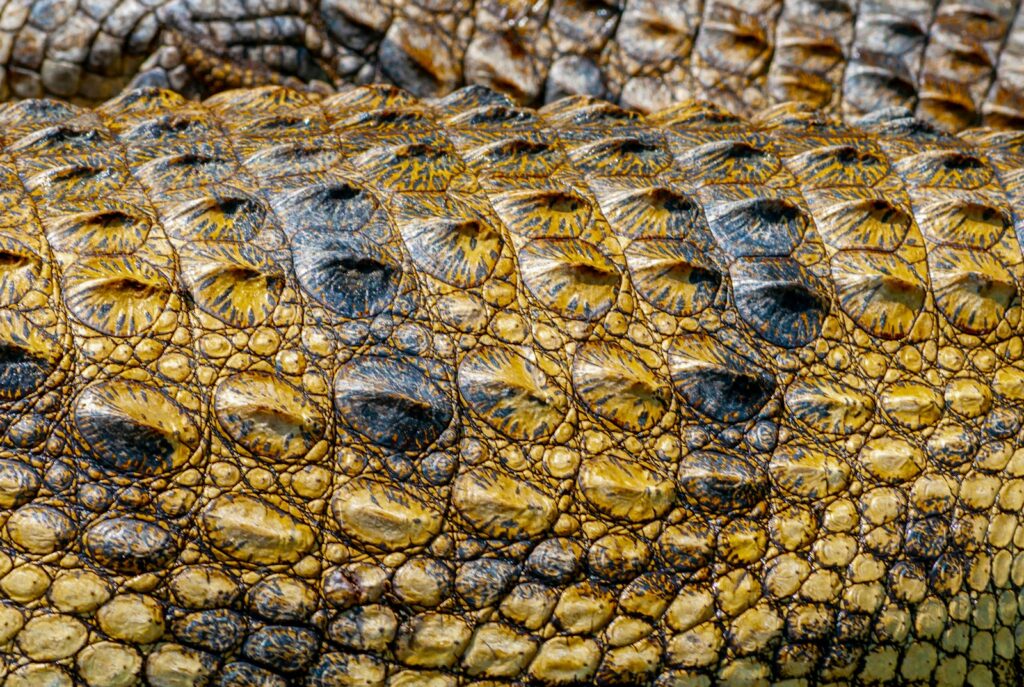
Honest sourcing note: “Alligator” and “crocodile” are different species — true alligator is American (Alligator mississippiensis); most Indonesian/Asian straps are saltwater crocodile (Crocodylus porosus), the same luxury tier. We label species accurately and never sell embossed calf as exotic. Genuine crocodilian is CITES-regulated (typically Appendix II, farmed); international orders ship with documentation, and you are responsible for your country’s import rules — this is general information, not legal advice. Prices are indicative ranges (mid-2026); final pricing is by quote. We are an independent authority and sourcing desk and connect you to vetted makers.
A custom alligator watch strap is a strap cut from genuine American alligator (Alligator mississippiensis), built to your exact watch, wrist, and specifications. On this page, we explain how a made to order alligator strap works in practice: species, cuts, grading, measurements, build options, pricing ranges, and how to request a quote.
What “Custom Alligator Watch Strap” Means Here
At Alligator Watch Straps, “custom” is literal, not marketing:
- Correct, documented species (alligator vs crocodile, never embossed calf).
- Real measurements: lug width, buckle width, taper, strap length, thickness.
- Factory or artisan matched to your watch, not a generic “18–22 mm” guess.
- Built to your wrist, not S/M/L guesswork unless you prefer those standards.
A bespoke alligator watch strap here can mean:
- One-off, handmade alligator watch strap from a specific hide and pattern.
- Small production runs for stores, microbrands, or OEM replacements.
- Wholesale/spec builds for watch dealers and strap retailers.
We are an independent sourcing and editorial desk. We do not tan hides and we are not owned by any strap brand. Our role is to curate leather, makers, and specifications, and to help you order exactly what you think you are ordering.
Species: Real Alligator vs Crocodile vs Embossed Calf
Species labelling is where most “exotic” strap marketing starts bending the truth. We do not.
American Alligator (Alligator mississippiensis) – “True Alligator”
If a strap is described as “alligator” here, by default we mean American alligator:
- Latin name: Alligator mississippiensis
- Origin: Primarily farmed or sustainably harvested in the United States.
- CITES status: Appendix II – trade controlled and documented.
- Typical use: High-end watch straps, bags, leather goods.
American alligator belly yields the classic, relatively even rectangular scale pattern most collectors expect when they hear “alligator strap.”
Saltwater Crocodile (Crocodylus porosus) – Often Mis-sold as “Alligator”
Many Indonesian and broader Asian “alligator” straps are actually saltwater crocodile:
- Latin name: Crocodylus porosus
- Origin: Farmed in Southeast Asia and Oceania.
- CITES status: Appendix II – also controlled and documented.
- Typical use: Same luxury tier as alligator: high-end straps and leather goods.
Porosus can be as expensive and as refined as American alligator, but it is not the same species. Scale layout and pore patterns differ. We will always label it crocodile (Crocodylus porosus), never “alligator.”
Other Crocodilians & Embossed Calf
We also see:
- Nile crocodile (Crocodylus niloticus) in some tanneries.
- Caiman (e.g., Caiman crocodilus) in lower-cost straps, with stiffer plates.
- Embossed calf pressed with an “alligator grain” pattern.
We will never call any embossed calf “alligator” or “crocodile.” If it is printed calf, we say so. If it is caiman, we say so. If you request a custom alligator watch strap and the most sensible option for your budget is high-grade crocodile or embossed calf, we will state that clearly and get your written confirmation before proceeding.
Quick Species Comparison
| Leather | Typical Labeling Here | CITES Status | Feel & Use |
|---|---|---|---|
| American alligator | Alligator (Alligator mississippiensis) | Appendix II | Supple, fine scales, high-end straps |
| Saltwater crocodile | Crocodile (Crocodylus porosus) | Appendix II | Luxury tier, distinct pores, crisp grain |
| Nile crocodile | Crocodile (C. niloticus) | Appendix II | Varied patterns, mid-to-high range |
| Caiman | Caiman (species specified) | Mostly Appendix II | Harder plates, more rigid, budget exotic |
| Embossed calf | Calf, alligator-embossed | Not CITES-listed | Patterned surface, non-exotic |
Ethics, Legality & CITES: What You Should Know
All genuine alligator and most crocodile used for straps comes from regulated farms and managed populations. That does not mean “anything, anywhere, is automatically fine.”
- CITES Appendix II: American alligator and porosus crocodile trade is controlled by permits and export documentation.
- Farmed & traceable: Reputable tanneries work only with legal, documented skins.
- Cross-border shipping: Exporting a finished alligator or crocodile strap across borders may require permits depending on country rules.
We are not a law firm and we do not give legal advice. Regulations differ by country and change over time. You are responsible for confirming what is allowed in your jurisdiction.
What we do:
- Source from tanneries and strap makers who comply with CITES and local regulations to the best of our due diligence.
- Ensure species and origin are documented at the production level.
- Flag any known import complexity in our email thread before you pay.
If a specific import route appears problematic or impossible, we will say so, and we may decline the order instead of pushing it through.
Designing Your Made to Order Alligator Strap
Every handmade alligator watch strap here starts from three data points:
- The watch (lug width, case shape, lug design, OEM buckle or clasp).
- Your wrist (circumference, wearing preference, and position of the keeper).
- Your choices for leather, lining, padding, stitching, and finishing.
1. Species & Cut: Belly vs Hornback
You can specify both the species and the cut.
- Species options:
- American alligator (classic choice for dress or luxury sports pieces).
- Crocodylus porosus (saltwater crocodile) on request.
- Other crocodilian (e.g., Nile, caiman) for specific price points, clearly labelled.
- Cut options:
- Belly cut: Flatter, more regular scales; most OEM high-end straps use this.
- Flank / “side” cut: Slightly more variation, can show transition scales.
- Hornback: Raised dorsal ridges; very three-dimensional and aggressive.
For daily wear on dress and sport watches, belly-cut American alligator is the default. Hornback is more niche and often thicker; we will discuss whether your watch case can visually and physically support it.
2. Color & Finish
We work from tannery color cards and in-stock hides, not Pantone fantasy promises. Availability changes; expect a curated palette, not infinite options.
Typical ranges include:
- Blacks and greys (matte, semi-matte, or gloss).
- Browns from light cognac to deep chocolate.
- Blues from navy to mid-blue.
- Occasional greens, burgundy, and more saturated tones.
Finishes:
- Matte: Understated, very wearable, shows scale detail clearly.
- Semi-matte / satin: Subtle sheen, good for dress-sport hybrids.
- Gloss: High shine; classic pairing for formal pieces, more sensitive to marking.
We will tell you which finishes are available for the hide you choose at the time of quoting.
3. Width & Taper
We write dimensions as lug width → buckle width. Examples:
- 20 → 16 mm: common dress watch taper.
- 21 → 18 mm: popular for modern luxury sports watches.
- 22 → 18 mm or 22 → 20 mm: for larger dive and sports watches.
Typical lug widths we see:
- 18 mm, 19 mm, 20 mm, 21 mm, 22 mm (others on request).
We will ask:
- Exact lug width (in mm; we prefer caliper measurements over website specs).
- Target buckle width (what your existing buckle or clasp requires).
- Whether you want straight (no taper) or a specific taper (e.g., 20 → 16 mm).
4. Length: S/M/L/XL – Or Exact Millimetres
We can build to standard sizes or to exact lengths.
Typical two-piece strap length notation is long side + short side (excluding buckle). For example:
- Short: ~105 / 65 mm
- Standard (M): ~115 / 75 mm
- Long (L): ~125 / 80 mm
- Extra-long (XL): ~135 / 85 mm
These are indicative; we will adjust to your wrist and buckle style.
What we need from you:
- Wrist circumference in millimetres (measured snug but not tight).
- Preferred wear (tight, average, loose).
- Position of the watch on the wrist (high, mid, low) if unusual.
If you have a “perfect” existing strap, you can measure that instead. We will send a simple measurement diagram if needed.
5. Lining Leather
Lining affects comfort and longevity.
Common options:
- Zermatt-style calf: Smooth, sweat-resistant, widely used in high-end straps.
- Vegetable-tanned calf: More natural feel; can patinate; slightly more sensitive to moisture.
- Rubber or hybrid lining: For humid climates and heavy sports usage (availability depends on maker).
We will note whether you have metal allergies and avoid common problematic finishes or foils on the lining side.
6. Padding & Profile
Profile is the cross-section from the lug to the tip:
- Flat: Low profile, typically ~2.0–2.5 mm overall thickness.
- Lightly padded: ~2.5–3.0 mm at the lug, tapering towards the tip.
- Fully padded: Often ~3.5–4.0 mm at the lug, for sports watches and larger cases.
Not every watch case accepts a heavily padded strap, especially if the lug geometry is tight. We may ask you for a side-on photo of the watch with caliper measurements to confirm clearance.
7. Stitching: Pattern, Color, Technique
Stitching does more than hold the strap together; it defines the visual line.
- Hand saddle-stitch: The default for our higher-end custom builds; very durable, repairable, with a distinct look.
- Machine stitch: Available on some production-spec builds; cleaner and more uniform but not as robust as saddle-stitch in heavy wear.
You can choose:
- Stitch color: Matching, tonal (slightly lighter/darker), or contrasting.
- Pattern: Full perimeter stitch, partial, or minimal (e.g., at lug and buckle only) depending on maker.
- Thread thickness: Slightly thicker thread on sports builds, finer thread on dress straps.
8. Edges: Painted vs Turned
Edge construction affects both look and durability.
- Painted edge: Leather cut flush, bevelled, and finished with multiple layers of edge paint, then burnished.
- Turned edge: Alligator wrapped around and stitched, with the lining captured inside.
Turned edges can be very refined and are common on high-end dress straps. Painted edges can be more flexible with thick or padded builds and are easier to refinish if scuffed.
9. Buckle or Clasp
You can supply your own buckle/clasp or request one from the maker’s standard hardware.
Options typically include:
- Pin buckle: Traditional tang buckle in steel or plated finishes.
- Deployant clasp: Single- or double-fold; may require specific length splits.
We will ask:
- Are you using an OEM buckle/clasp (Rolex, Omega, etc.)?
- Do you need curved ends or specific cut-outs for fitted end-links?
- Exact buckle width and attachment style (spring bar, screwed, etc.).
If we are matching an OEM deployant, we often ask for clear photos and measurements or, in some cases, recommend sending the clasp to the maker.
How to Order: Measurements & RFQ Process
Everything starts with a clear brief. We do not run a one-click cart for full-custom because mis-measured lugs or lengths ruin the result.
To start a quote or discussion, plan your trip to your ideal strap via our contact page or WhatsApp. We will walk through options with you, not push you into a form.
Step 1: Tell Us About the Watch
In your initial message, include:
- Brand and model (e.g., “Rolex Datejust 36 ref. 126200”).
- Lug width in mm (measured with a caliper if possible).
- Case size (diameter) and approximate thickness.
- Whether the lugs are straight, curved, or have proprietary fitment.
- What buckle or clasp you plan to use.
Attach clear, well-lit photos of the watch head from the top and side.
Step 2: Tell Us About Your Wrist
We need:
- Wrist circumference in millimetres (and how you measured it).
- Wearing preference (snug, normal, loose).
- Any issues with previous straps (too long tail, watch head sliding, etc.).
If you have a strap that fits perfectly, send its length measurements (hole side and buckle side, excluding the buckle).
Step 3: Choose Species, Cut, Color & Build Details
Based on your watch and wrist, we will suggest:
- Species and cut (e.g., American alligator belly in matte navy).
- Width and taper (e.g., 20 → 16 mm with light padding).
- Lining type and edge construction.
- Stitch pattern and color.
We will also tell you which options are available from which makers at that moment. Availability is not static; hide stocks and production slots change.
Step 4: Quote, Lead Time & Confirmation
Once we have your specification:
- We obtain quotes from one or more vetted strap makers that fit your brief.
- We return an itemised estimate: indicative price range, lead time, shipping options, and any expected CITES/export constraints.
- You confirm the exact spec in writing before any payment is arranged.
If you proceed with a maker we introduce, they may pay us a referral fee at no extra cost to you. No one can pay to change what we publish or to mislabel species.
Lead Times: Prototype & Build Windows
Handbuilt exotic straps take time. We prefer to under-promise and over-deliver rather than quote unrealistic dispatch dates.
Indicative timelines (last verified June 2026):
- Prototype / pattern development: ~3–6 weeks.
- Production build of a strap once the pattern is set: ~4–8 weeks.
Variables that affect timing:
- Maker workload and seasonal backlogs.
- Hide availability in your chosen color/finish.
- Complex or unusual fitments (integrated or curved-lug straps).
- Export permit processing for some cross-border shipments.
If you have a hard deadline (e.g., a wedding date), tell us upfront. We will either map out a realistic schedule or tell you frankly if it is not feasible.
Pricing: Ranges, Not Hype
Pricing depends on species, grade, complexity, maker, and volume. We avoid fake “MSRP slash” games; we give ranges and then a precise quote for your configuration.
For a single custom alligator watch strap (American alligator, belly cut, lined, properly finished), indicative direct-to-collector ranges (last verified June 2026) are:
- Approx. USD 150–280 for a typical two-piece strap in non-precious hardware.
This range moves up with:
- Higher-grade or rarer hides and colors.
- Complex shapes (integrated ends, fitted curve, hornback, extreme padding).
- High-end handwork, exotic linings, or special-thread builds.
Wholesale and OEM / microbrand volumes:
- Minimum order quantities (MOQs) and pricing vary by maker and spec.
- Expect MOQs starting in the low tens of units per spec for genuine alligator or crocodile, higher for multiple SKUs.
For wholesale or brand projects, please outline expected quantities, target retail price band, and markets. We will respond with realistic options, not “anything is possible for any budget.”
Grading & Hides: What You Are Actually Getting
Alligator and crocodile hides are graded at the tannery based on:
- Size (belly width).
- Scar count and placement.
- Scale regularity.
- Overall finish and yield.
Straps generally use the cleaner parts of the belly or flank, but:
- “Grade” is not a single global standard – each tannery has its own system.
- Marketing terms like “premium” or “select” are often vague.
What we do:
- Ask the maker which grade tier of hide is being used for your strap (for that tannery’s scale).
- Where possible, request photos of the actual hide area that will be cut.
- Communicate realistic expectations – minor natural variation is not a defect.
If you are extremely particular about scale layout (e.g., symmetrical large-rectangular scales centred on the lug), we will treat this as a specific design request and confirm whether the maker can meet it from available stock.
Independent Sourcing Desk, Not a Single Brand Shop
Alligator Watch Straps is not a single strap brand and not a tannery. We operate as:
- Editorial authority: Explaining species, regulations, and specs accurately.
- Sourcing desk: Matching collectors, stores, and brands with vetted strap makers and hides.
- Spec consultant: Helping you specify widths, tapers, lengths, and constructions correctly.
We work with a small, rotating group of makers and suppliers who:
- Label species correctly.
- Use genuine exotic hides with traceable origin.
- Are willing to build to precise specifications, not just “one size fits most.”
If we do not have a maker who can meet your spec honestly, we will say so rather than rebrand something you did not ask for.
Mid-project or after, if you want to adjust your strap design for a second build (e.g., same watch, different color or length), we can keep your pattern and update the spec.
Who This Page Is For
A made to order alligator strap from our network makes sense if:
- You own a watch you plan to keep and want a strap built specifically for it.
- You care which species you are actually buying.
- You are comfortable with lead times measured in weeks, not days.
- You prefer email or WhatsApp exchanges with real specifications over one-click checkouts.
It is not the right route if you want:
- Very low-cost straps (embossed calf, generic factory pieces).
- Instant shipping without fitment verification.
- “Alligator style” without regard to actual species or legality.
If you are still reading this far, you are likely the first type.
Start Your Custom Alligator Strap Project
To begin a quote or simply test what is possible for your watch and budget, plan your trip from idea to finished strap via our contact page. Mention that you are interested in a custom alligator watch strap; include your watch model, wrist size, and any photos you have. If you prefer WhatsApp for quicker back-and-forth, note that in your message and we will respond with our number and next steps.
We will not rush you. We will not gloss over species. We will put every measurement in writing before anything is cut.
FAQ: Custom Alligator Watch Strap
What can I customise on a bespoke alligator watch strap?
You can specify species (American alligator or clearly labelled crocodile), cut (belly or hornback where available), color and finish, width and taper, exact length, lining leather, padding profile, stitch style and color, edge construction (painted or turned), and buckle or clasp fitment. For some integrated or proprietary lugs there may be technical limits, which we will explain before you confirm.
What measurements do you need to build my strap?
We need your watch’s lug width in millimetres, the buckle or clasp width and type, and either your wrist circumference or the exact lengths of a strap that already fits you. Clear photos of the watch from the top and side help verify case and lug geometry. If anything is uncertain, we may provide a simple measurement guide before quoting.
How long does a handmade alligator strap take?
Indicatively, pattern development or first-time prototypes take about 3–6 weeks, and a production build once the pattern is set takes about 4–8 weeks, last verified June 2026. Complex fitments, special hides, and export paperwork can extend this. We will give you a working window for your specific project before you pay.
How much does a custom alligator strap cost?
For a single direct-to-collector strap in genuine American alligator, most builds fall in the USD 150–280 range, last verified June 2026, depending on hide grade, complexity, and maker. Hornback, unusual colors, or intricate construction can cost more. Wholesale and brand orders are priced separately by spec and volume after discussion.
Is it legal to ship alligator or crocodile straps to my country?
American alligator and most crocodile used for straps are CITES Appendix II species and are traded under permit systems. Many countries allow import of finished straps under defined conditions, but rules and enforcement vary and can change. We are not a law firm and cannot provide legal advice; you must verify your local regulations. During quoting, we will flag any known export or import constraints for the route you propose and, if necessary, decline orders that appear problematic.